
High-Stakes Diplomacy in New Delhi: Modi and Putin Set $100 Billion Trade Target Amid Shadows of Maritime Conflict
NEW DELHI — In a major diplomatic prelude to the 18th BRICS Summit, Russian President Vladimir Putin became the first foreign dignitary to arrive in the national capital on Friday, September 11, 2026. He immediately entered into a comprehensive bilateral meeting with Prime Minister Narendra Modi to review the full spectrum of the India-Russia Special and Privileged Strategic Partnership.
The high-stakes meeting resulted in an ambitious agreement to systematically elevate annual bilateral trade to $100 billion by 2030, up from the current estimate of approximately $65 billion. “During today’s meeting we talked about: closer trade ties, including implementation of the Programme for Economic Cooperation 2030," Prime Minister Modi announced. "Cooperation in areas like infrastructure, energy, technology, defence, culture, and more.”
Blueprint for 2030: Expanding Energy and Nuclear Frontiers
According to diplomatic sources, a core pillar of the updated Economic Cooperation Programme till 2030 involves diversifying economic linkages beyond traditional crude oil imports. The two leaders reviewed ongoing projects in civil nuclear cooperation, joint defense manufacturing, space exploration, and skill mobility.
To balance the widening trade deficit, India pressed for enhanced market access for its manufacturing, pharmaceutical, and agricultural exporters. The discussions also emphasized critical connectivity routes, including accelerating operations along the Chennai–Vladivostok Maritime Corridor and the International North–South Transport Corridor (INSTC) to insulate bilateral supply chains from external geopolitical pressures.
India-Russia Strategic Re-alignment
┌────────────────────────────────────────────────────────┐
│             Economic Cooperation Programme 2030        │
├───────────────────────────┬────────────────────────────┤
│ 1. Bilateral Trade Target │ Pushing annual trade from  │
│                           │ $65B to $100B by 2030      │
├───────────────────────────┼────────────────────────────┤
│ 2. Strategic Sectors      │ Civil nuclear expansion,   │
│                           │ S-400 and BrahMos upgrades │
├───────────────────────────┼────────────────────────────┤
│ 3. Maritime Connectivity  │ Chennai–Vladivostok and    │
│                           │ North-South (INSTC) routes │
└───────────────────────────┴────────────────────────────┘
The Cost of War: Black Sea Spillover and Seafarer Safety
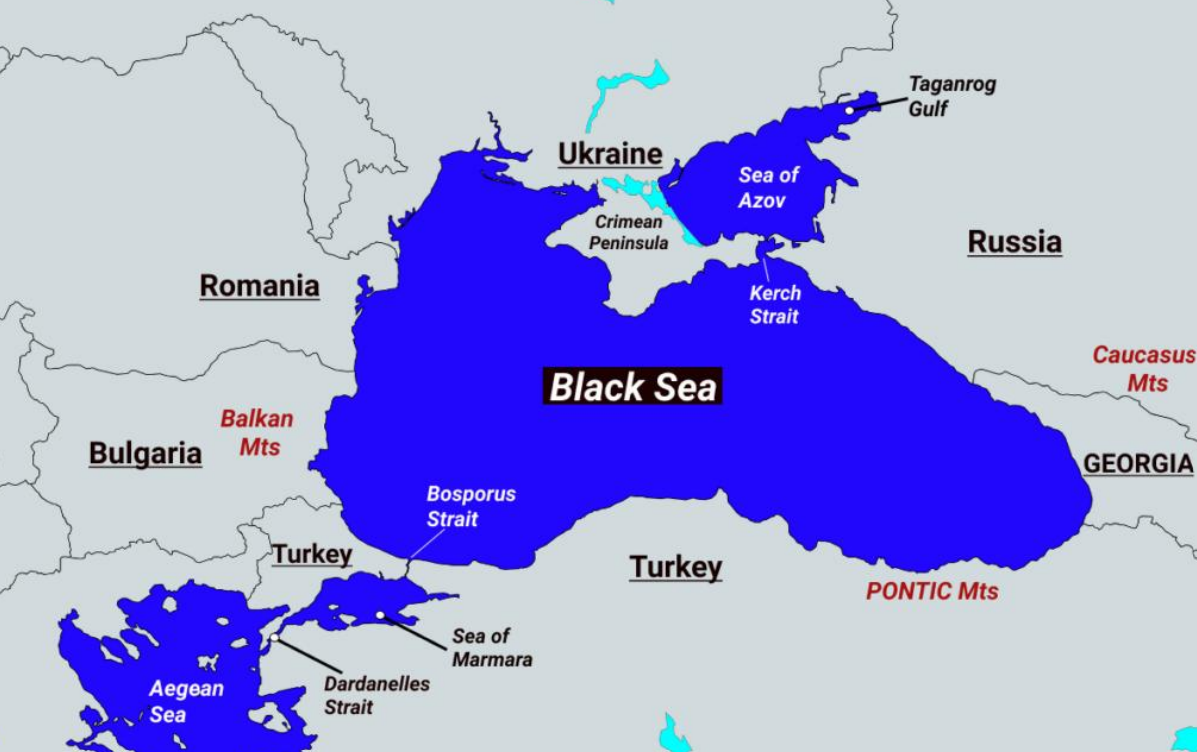
While the meeting solidified economic commitments, it was heavily shadowed by the worsening security climate in Europe and West Asia. According to the Ministry of External Affairs (MEA), the two leaders exchanged views on the regional volatility in West Asia and analyzed the dangerous spillover effects of the Russia-Ukraine conflict in the Black Sea region.
A point of friction in the discussions was the growing threat to maritime trade networks, specifically concerning the safety of Indian seafarers. Over the summer, several Indian sailors were killed and others critically injured or left missing when foreign-flagged commercial vessels—such as the MV Golden Leo and MV Omorphi—came under targeted missile and drone attacks by both Russian and Ukrainian forces in volatile Black Sea waters.
Prime Minister Modi reiterated his strong call for an immediate cessation of hostilities, emphasizing that a lasting resolution cannot be found on the battlefield. While stating that "India stood ready to assist in all peace efforts," New Delhi firmly reminded Moscow that the preservation of unarmed merchant shipping corridors and human life remains a paramount global responsibility that must transcend active theater operations.
Red Sea Chokehold: Houthis Seize Strategic Coastline and Island to Control Vital Global Shipping Lane
SANAA — In a major geopolitical shift that threatens to upend international maritime trade, Yemen’s Houthi rebels seized a highly strategic Red Sea island on Friday. The island's capture caps off a rapid territorial advance along the western coast and effectively seals their complete control over a vital maritime shipping corridor linking Europe and Asia.
The dramatic capture followed a brutal, week-long offensive that has left hundreds of combatants and civilians dead. With this latest advance, Houthi forces appear to be in absolute control of all territory along the Yemeni side of the Bab el-Mandeb Strait, a narrow chokepoint that serves as the southern gateway to the Red Sea and, by extension, the critical Suez Canal transit route.
Total Collapse of Government Coastal Defenses
The speed and scale of the Houthi advance completely overwhelmed the defending forces of Yemen’s internationally recognized, Saudi-backed government. A high-ranking military official from the government forces confirmed the absolute loss of their defensive positions, stating that the Houthis have successfully seized control of the country’s entire Red Sea coastline.
The official openly acknowledged the defeat, admitting that everything previously under their administration on the western coast has fallen to the rebel fighters. The collapse of these coastal defenses removes the final buffer that had protected international commercial shipping lines from direct, land-based rebel interference.
A New Threat to Global Supply Chains
By dominating the Bab el-Mandeb Strait, the Houthi movement has secured a powerful asymmetric leverage point over global economic networks. The Red Sea maritime corridor handles a massive percentage of global trade, carrying essential consumer goods, manufacturing components, and energy shipments between Asian production hubs and European markets.
With rebel forces now holding both the mainland coast and a key offshore island, maritime security experts warn that commercial vessels could face heightened risks of targeted drone strikes, boarding operations, and missile attacks. This vulnerability could force international shipping conglomerates to abandon the Suez Canal route entirely, routing vessels around the African continent instead, a decision that would trigger massive shipping delays and spike global inflation.
U.S. Proposes Scrapping 60-Day H-1B Grace Period: Immediate Departure Rule Threatens Skilled Indian Professionals
- Disruptive Visa Rule Proposed: The United States government has proposed a major rule change to completely scrap the existing 60-day grace period that currently allows specific foreign workers to legally seek new employment after losing a job.
- Severe Impact on Indian Tech Workers: This regulatory shift will heavily disrupt Indian technology professionals, who constitute the vast majority of skilled foreign labor hired under the H-1B visa program.
- Immediate Departure Mandate: Under the new rule, titled “Eliminating the Discretionary 60-day Grace Period,” foreign workers who face a sudden job loss before their visa expires will be required to leave the U.S. immediately, unless they hold separate authorization to remain.
- 60-Day Public Review Window: The Department of Homeland Security (DHS) published the draft proposal in the Federal Register, opening a mandatory 60-day window for the public to submit comments before the policy is finalized.
- Understanding the H-1B Framework: Introduced in 1990 to address domestic skill shortages, the H-1B is a temporary, non-immigrant visa allowing U.S. corporations to employ highly skilled foreign professionals in specialized fields, predominantly across Science, Technology, Engineering, and Mathematics (STEM) and Information Technology (IT) sectors requiring at least a bachelor’s degree.
- Indian Dominance in Approvals: Indian nationals consistently dominate the H-1B visa pool, accounting for over 70% of all annual approvals since 2015. Chinese professionals represent the second-largest demographic, securing approximately 12–13% of approvals since 2018.
- Strict Caps and Validity Rules: The H-1B visa is valid for an aggregate period of up to six years. Under current standard rules, the U.S. enforces a strict annual fiscal cap of 65,000 new visas, alongside a specialized exemption of an additional 20,000 visas reserved exclusively for candidates holding a U.S. master’s degree or higher.
- Contrasting the U.S. Visa Landscape: While the H-1B governs corporate specialty occupations, the broader U.S. immigration framework relies on distinct, non-interchangeable visa classes to manage other entry categories:
- O Visa: Reserved for foreign nationals demonstrating extraordinary ability in Sciences, Arts, Education, Business, or Athletics.
- H-2A Visa: Designed for temporary or seasonal agricultural laborers.
- H-2B Visa: Allocated for temporary workers performing non-agricultural services or labor of a seasonal nature.
- B-2 Visa: Issued to international visitors entering for tourism, vacations, or pleasure.
- V Visa: A specialized non-immigrant pathway allowing the spouses and children of Lawful Permanent Residents (Green Card holders) to reside in the country while awaiting family visa processing.
E-Commerce Pivot: New Consumer Protection Rules to Ban Dark Patterns and Enforce Strict Grievance Timelines
- Comprehensive Digital Safeguards Notified: The Union Consumer Affairs Department has officially notified the Consumer Protection (E-Commerce) (Amendment) Rules, 2026, aimed at safeguarding buyer interests, addressing digital market vulnerabilities, and eliminating deceptive online practices.
- Strict Implementation Timeline Set: Published in the official gazette on September 9, 2026, these new rules are scheduled to become fully operational starting January 1, 2027.
- Mandatory Country of Origin Disclosures: To ensure maximum supply chain transparency, all e-commerce platforms will be legally required to explicitly disclose the exact details of the importer and the country of origin for all imported goods listed on their sites.
- Complete Corporate Identity Disclosure: The updated framework stipulates that every e-commerce entity must prominently provide its registered legal name, the principal geographic address of its headquarters and all operating branches, and comprehensive details of its official website.
- Time-Bound Grievance Redressal Mechanism: Platforms must provide direct contact details for customer care and a designated grievance officer. The grievance officer is under a strict statutory mandate to acknowledge consumer complaints within 48 hours and complete the full redressal process within one month of receipt.
- War on Deceptive 'Dark Patterns': The rules promise an aggressive crackdown on "dark patterns"—manipulative user interface (UI) and user experience (UX) design techniques deliberately engineered to deceive, mislead, or pressure consumers into taking financial actions they did not intend.
- Undermining Consumer Autonomy: First coined in 2010 by user experience expert Harry Brignull, dark patterns aggressively exploit human behavioral tendencies to serve corporate business interests, severely undermining consumer autonomy, transactional transparency, and fair trade principles.
- Strengthening the Statutory Shield: These rules reinforce steps taken by the Central Consumer Protection Authority (CCPA) under the Consumer Protection Act, 2019, which issued initial guidelines to curb digital manipulation.
- Suo Motu Tech Tools Active: The government continues to utilize specialized consumer welfare applications like Jago Grahak Jago and the Jagriti Dashboard, empowering the CCPA to take aggressive suo motu legal action against platforms deploying unfair digital trade practices.
India's Deadly Road Crisis: Supreme Court Intervenes as Minor Safety Measures Face Enforcement Gaps
- Disproportionate Global Fatality Share: Despite hosting only 1% of the world’s vehicular fleet, India accounts for an alarming 11% of global road traffic fatalities, driven heavily by widespread non-compliance with basic safety measures like seat belts and helmets.
- Lethal Post-Crash Dynamics: Official post-crash investigations frequently reveal that victims suffer fatal injuries after being ejected from vehicles or enduring lethal secondary collisions against car interiors.
- Vulnerability of Children: Young passengers remain exposed to severe injury due to the highly patchy and inconsistent usage of specialized child restraint systems and rear-seat belts across Indian households.
- Supreme Court Intervention: A Supreme Court Bench recently stepped in, directing the Ministry of Road Transport and Highways (MoRTH) to consider a comprehensive public interest petition aimed at systematically reducing road deaths by making these safety measures a habit.
- Chronic Policing Deficits: Comprehensive enforcement is severely hindered by chronic staff shortages across state traffic police cadres. This leaves a gap that must be filled by holding manufacturers accountable.
- Mandating Tamper-Proof Engineering: Experts suggest forcing automobile manufacturers to install tamper-proof seat belt reminders to thwart illegal aftermarket modifications that disable safety chimes.
- The Limitations of Occupant Restraints: While the Motor Vehicles (Amendment) Act 2019 strengthened penal mechanisms, national data shows no large-scale improvement. Crucially, transport data reveals that two-wheeler riders constitute 46.2% and pedestrians 20.6% of road deaths, meaning seat belts and child restraints only address the underlying causes of roughly one-third of total mortality.
- Speeding as the Dominant Killer: High-speed driving remains the dominant recorded traffic violation associated with road fatalities. This underscores the need for a national engineering strategy focused on physically mitigating opportunities for vehicles to accelerate to dangerous speeds.
- The Missing 'Safe System' Approach: Neither the Union nor State governments have systematically deployed the globally recognized 'Safe System' approach, which mandates designing roads under the assumption that human error is inevitable and that infrastructure must protect road users when mistakes occur.
- Global Commitments and the Brasilia Declaration: As a signatory to the Brasilia Declaration on Road Safety (2015) signed in Brazil, India is internationally committed to achieving Sustainable Development Goal 3.6, which aims to halve global deaths and injuries from road traffic accidents by 2030.
- Decade of Action Alignment: This target aligns with the UN General Assembly's Decade of Action for Road Safety 2021–2030 and the foundational Stockholm Declaration, which urge member states to abandon piecemeal fixes in favor of a holistic, multi-sectoral approach to preserving human life on public roads.
The 18th BRICS Summit in New Delhi: Navigating Geopolitical Turbulence and the Realities of De-Dollarisation
- India Mobilises the Expanded Bloc: Prime Minister Narendra Modi is hosting the historic 18th BRICS Summit in New Delhi, bringing together eleven major emerging markets to advance trade and diplomatic relations across the Global South [BRICS, INDIA 2026].
- Evolution of a Global Powerhouse: Formalised as BRIC in 2006 on the sidelines of the UN General Assembly and holding its inaugural summit in Yekaterinburg in 2009, the bloc has expanded systematically [BRICS, INDIA 2026]:
- 2011: South Africa joined the alliance, creating BRICS [BRICS, INDIA 2026].
- January 2024: Egypt, Ethiopia, Iran, Saudi Arabia, and the United Arab Emirates became full members [BRICS, INDIA 2026].
- January 2025: Indonesia joined as a full member, while Belarus, Bolivia, Kazakhstan, Cuba, Malaysia, Nigeria, Thailand, Uganda, Uzbekistan, and Vietnam were incorporated as Partner Countries [BRICS, INDIA 2026].
- The "Humanity First" Mandate: Convening under the banner “Humanity First” and the core theme of "Building for Resilience, Innovation, Cooperation and Sustainability," the bloc represents half of the world's population and 40% of global GDP [BRICS, INDIA 2026].
- Symbolism of the 2026 Logo: The official Indian Chairship logo blends tradition with modernity, featuring radiating petals in the vibrant colours of all member states surrounding a central “Namaste” gesture to signify mutual respect and collaboration [BRICS, INDIA 2026].
- The Promise of Alternative Finance: The summit is heavily focused on building a resilient alternative to the Western-dominated global financial order, seeking to challenge the dominance of institutions like the World Bank and the International Monetary Fund (IMF) [BRICS, INDIA 2026].
- The Dollar Dependency of the New Development Bank: Despite being launched in 2015 to promote financing in local currencies, half of the NDB’s outstanding bonds remain denominated in U.S. dollars, with the Chinese yuan comprising most of the remainder and the South African rand accounting for just 1% [BRICS, INDIA 2026].
- Lagging Local Currency Targets: The NDB's local currency lending sat at roughly 22% in mid-2025, falling short of its internal 30% target, with India's first rupee-denominated bond still stuck in planning stages a decade after the bank opened [BRICS, INDIA 2026].
- Pragmatism Over Bloc Solidarity: To safeguard its financial standing with Western credit-rating agencies (S&P, Fitch, Moody's), the NDB froze all operations related to founding member Russia in March 2022 following the invasion of Ukraine, proving that credit ratings override bloc solidarity [BRICS, INDIA 2026].
- The Dormant Contingent Reserve Arrangement: The bloc's $100 billion Contingent Reserve Arrangement (CRA)—designed to break the IMF's monopoly on emergency lending to the Global South—has never been activated once in its ten-year existence [BRICS, INDIA 2026].
- The Unbroken U.S. Veto: The urgency to operationalise the CRA stems from structural imbalances at the IMF, where the United States holds 16.49% of voting rights, giving Washington a unilateral veto over all major decisions requiring an 85% supermajority [BRICS, INDIA 2026].
- India's High-Stakes Diplomatic Test: Crafting a unified joint statement amid ongoing global conflicts represents a major hurdle for New Delhi, marking its heaviest multilateral responsibility since successfully navigating the G-20 Summit in 2023 [BRICS, INDIA 2026].
- Bridges Amid Barriers: As Chinese leadership calls for a "long-term view" of bilateral ties ahead of President Xi Jinping's visit, Prime Minister Modi emphasized that India is committed to building economic bridges to boost jobs, wealth, and local-currency trade despite a sharp rise in global trade barriers [BRICS, INDIA 2026].